• About
  • My Games
  • My Stories

a little bit of everything all of the time

~ Thoughts on stuff and things.

a little bit of everything all of the time

Category Archives: Game Psychology

QA Thoughts

06 Saturday Oct 2012

Posted by abc in Development, Game Psychology, QA, Uncategorized, World of Warcraft

≈ Leave a comment

I started out playing MUDs (text-based MMOs) and developed a knack for breaking games. I quickly became a go-to playtester, which I then transitioned into QA work with first SCEA/PlayStation and then third party work for Microsoft Game Studios.

Playing this expansion, and previous expansions, has been fun and exciting, but there is always a jarring sense of removal from the immersion or a frustrating barrier to gameplay when a bug, glitch or issue is encountered. This may be as trivial as a typo, and it may be as far reaching as the gyrocopter issue the Alliance faced at the launch of MoP. I am referring specifically to issues covered by the QA department, versus the design or balance teams.

This issue is hardly unique to WoW. I can’t play GW2 without encountering a crash every few hours due to a glitch involving instancing with parties. Hell, when I played MUDs, I once found a way to use the game’s mail system to physically mail myself to an admin. There are always bugs that go live. However, the QA department’s role is to ensure as few of these happen as possible. Beyond that, their job is also to ensure that the most LIKELY scenarios are all fully tested.

QA teams use a process called test casing to cover these most common potential circumstances. They can’t blindly, blithely and happily prance around the game just checking out what suits their fancy. Sure, in the early stages of a game’s development, most testing is exploratory, but, as it gets closer to release, testing is narrowed down to systematic examination of various elements. Test cases direct QA teams to rigorously check off functionality for a variety of conditions.

For a highly simplified example, a test case for Warsong Gulch might be broken down into various components such as joining the game, winning the game and losing the game. Test teams would then check the various conditions applicable to each category. Joining might include testing joining the game solo, with a party, with the game thumbed down, via random queue, via specific queue, etc. This structured testing ensures that all of the likely scenarios are fully tested for functionality before the game goes live, versus just assuming it will work in a party because it worked solo.
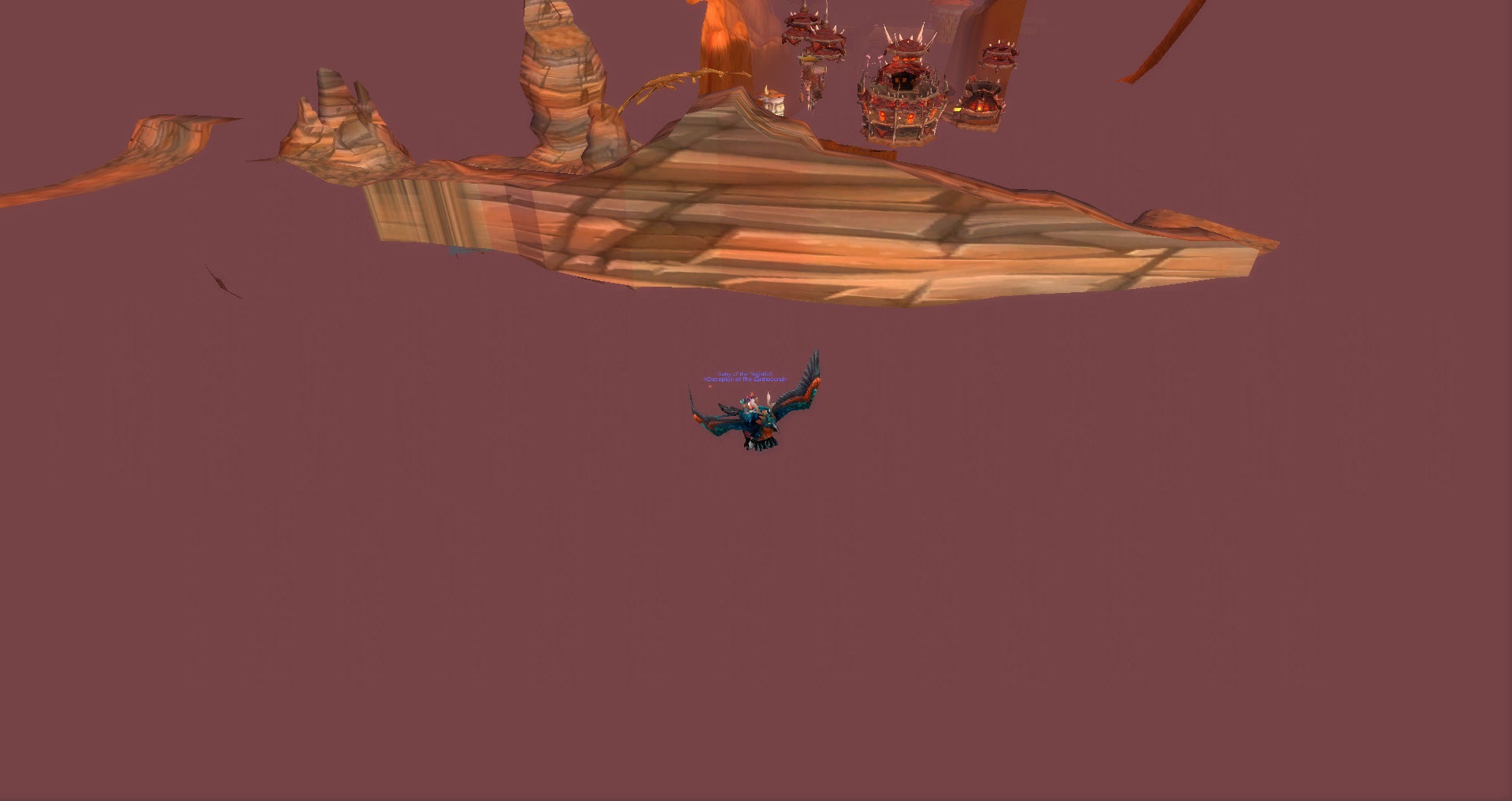
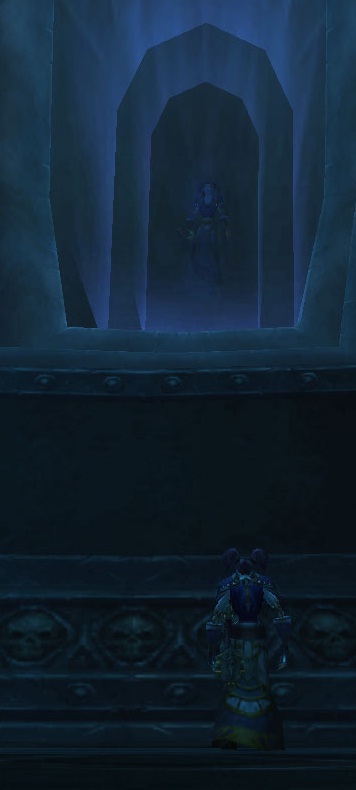
OH GOD WHERE DID THE WORLD GO

This is not good QA.

I explain all of this so I can make it very clear that video game QA is not a fun and games job. There is a lot of work involved, including time spent planning out the testing before the QA team even sees the game elements they will be working on. This is a serious career and talents beyond just “leet gaming” are required. A good tester should be meticulous, pay close attention to detail and be capable of looking outside the expected norms of gameplay.

Unfortunately, the video game industry suffers from its own history. What was once a cowboy industry started in basements is now one of the most profitable aspects of the entertainment industry; millions of dollars are spent on video games each quarter. Video games showed INCREASED revenue during the recession, while other aspects of entertainment suffered from a decline in sales.

The internal structure of the video game industry, however, does not seem to recognize its own success. Video game QA practices are outdated, following the same model initially developed out of need: toss a bunch of low paid “testers” at the product and hope their enthusiasm for the industry itself balances out all of the downsides inherent in the job. A decade ago, this practice was not only money-savvy, it was necessary. Video games were not a serious industry, so you had to hire what you could and scramble with the resources that gave you. This meant that, inevitably, you ended up with a crunchtime environment as “showstopper” bugs (ie, issues that made the game nigh unplayable) emerged only in the very latest stages of testing.

When you aren’t working with a highly experienced test corps, major issues can lurk undetected until late in the game, and then overtime is requisite to iron out these bugs, as the testers need to regress bugs, that is, test the issues again to see if the bugs have been fixed. Here is a good (if slightly outdated) blog explaining why this is inefficient (and fiscally wasteful):  http://romsteady.blogspot.com/2006/04/testing-hidden-costs-of-testing-at-end.html
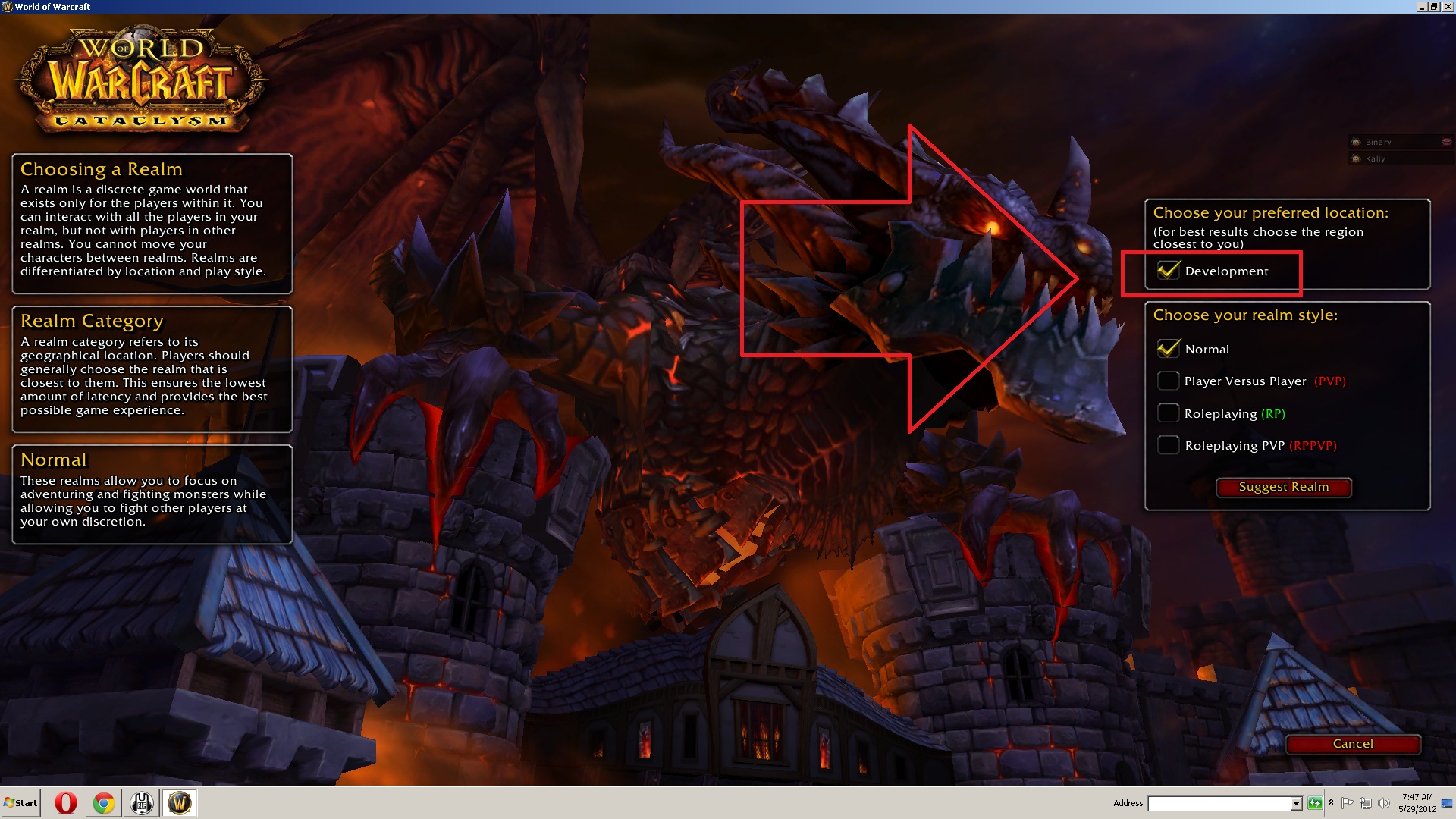
Tsk

This is also not good QA.

Having worked in QA, I know that it’s more than just inexperience that results in these kind of lurking issues. First, many QA departments pick up speed later in the test cycle and then have the bulk of their work staffed by entry level testers, versus retaining a smaller fulltime team of more experienced testers. Many companies claim it saves money (again, see the breakdown in the link above), but it really does seem to be a relic of the earlier days of the industry. Not only do you have to deal with the initial acclimation and training period, this sort of mass hiring (often through a staffing agency) picks up a…wide…caliber of applicants. But why should video game QA teams expect anything else? The industry’s focus on late-cycle testing means that unskilled hires are more desired because they are cheaper…and skilled testers end up migrating outwards to other QA fields. This also means that the workload demand for non-sustainment games (eg games like console games that don’t have ongoing development) fluctuates from a trickle to a flood – ie very little work (sup, unemployment) and then way too much for a small team to handle. In essence, there is very little career mobility in video game testing, and the initial hire process is inclusive enough, often due to to not distinguishing between stellar applicants and mediocre ones.

Here are some numbers to illustrate this (all income is done with location based in Los Angeles, as SoCal is a large gaming hub):

Salary.com:
Software QA lead $50k/yr
Video game QA lead: $15/hr (unsalaried)

Payscale.com (using 0 years experience, BS for both):
Entry level software QA tester: $47k/yr
Entry level video game tester: $31k/yr

This drastically lower pay for video game QA combines with the inevitable crunch time to make the job undesirable for workers on an actual career path. Why take constant overtime when you are getting older, perhaps starting a family – that is not ideal for a skilled tester who wants to maintain a career. Due to these factors, many solid, skilled testers eventually transition to straight software QA.

One of the biggest problems, however, is the job hiring process itself. The video game industry, while profitable beyond belief, still has a very silly stigma applied to it. When jobs – like tester jobs – are outsourced, the hires are often done by HR people who don’t really work in the industry, so they advertise the job as “cool” and “fun” rather than focusing on the skills you will develop. This will inevitably lead to a certain type of employee, and it’s not the one who is doing the best work. In my opinion, the best QA testers are the ones who are unfamiliar or don’t have a direct passion for the project – they won’t be sidetracked by just playing the game for fun or get caught up in how the game “should” be and fail to see the forest through the trees. True, the employees who are slacking off and just playing around may eventually get fired for not doing the job well, but think of the wasted time hiring/training/firing them takes, when it could have been avoided from the outset with proper recruitment.

So, to bring this post to a conclusion…

I’ve been on the test floor. For years. I know what goes on there. Sometimes it’s testing. I am not pretending to know the full extent of all the QA department’s hiring practices, but the Blizzard employment website does make it clear that testers are contract workers, so it’s implied it’s quite similar to other large video game test companies. I know PlayStation is the same.

In that case, the fact is, the amount of GOOD testing you get is miles away from what you COULD get. I’ve seen how test passes ACTUALLY go. Factor in everything: the low pay, the lack of career mobility, the poor recruitment, and here is the truth – testers lie. Especially low paid, recently hired, unskilled testers. I’ve seen an incredible amount of bugs in MoP and I doubt any of them are the fault of the QA leads. For example, if two teams reach max points in Silversong Mines at the same time (one through escort, one through capture), the battleground bugs out. Forever. People have been in matches that have lasted nearly 2 REAL LIFE days. This is a win condition that a test pass would have testers checking, no question – but, oh man, getting the timing right is so HARD, so you get them just passing it as functional.
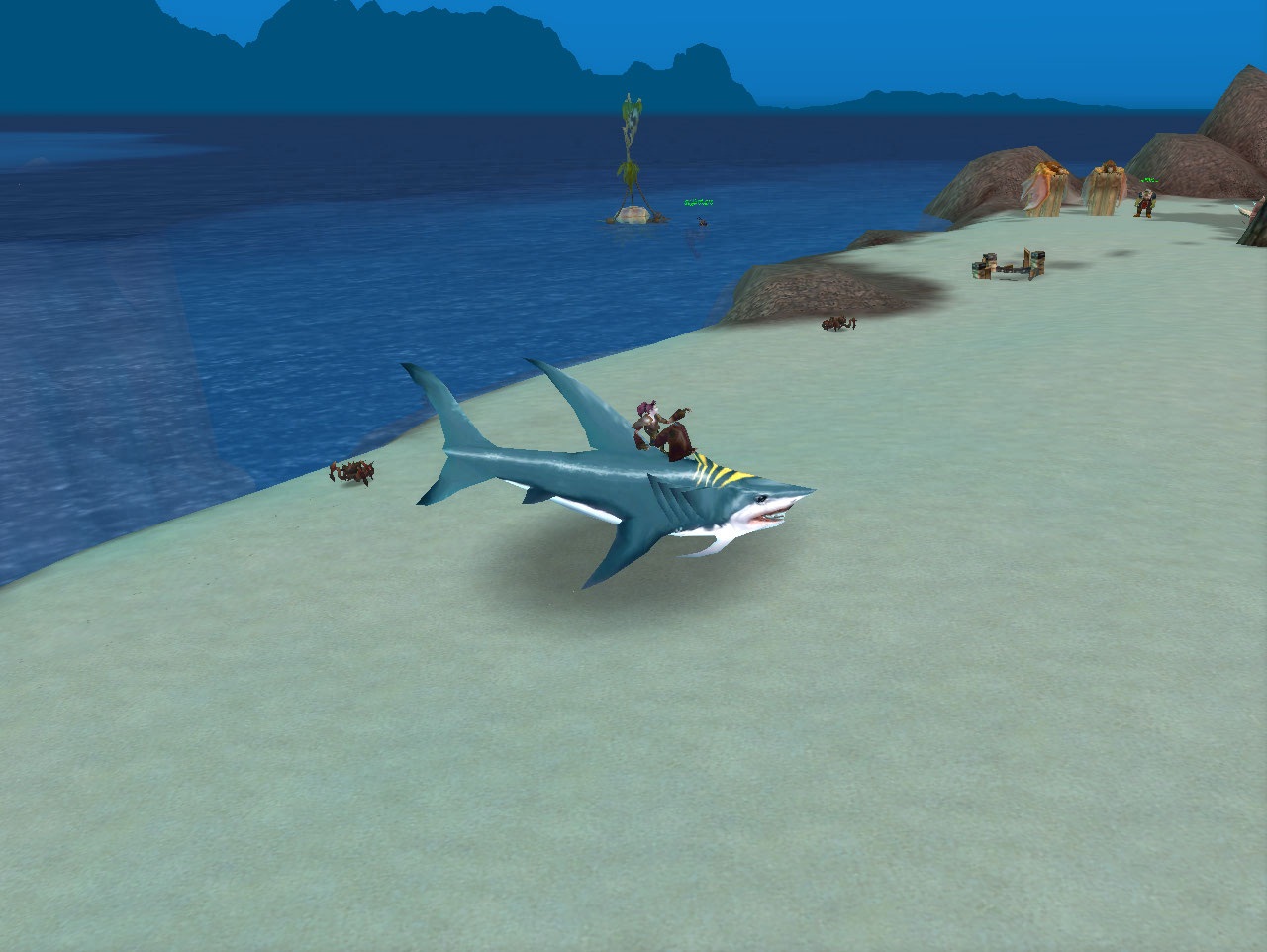
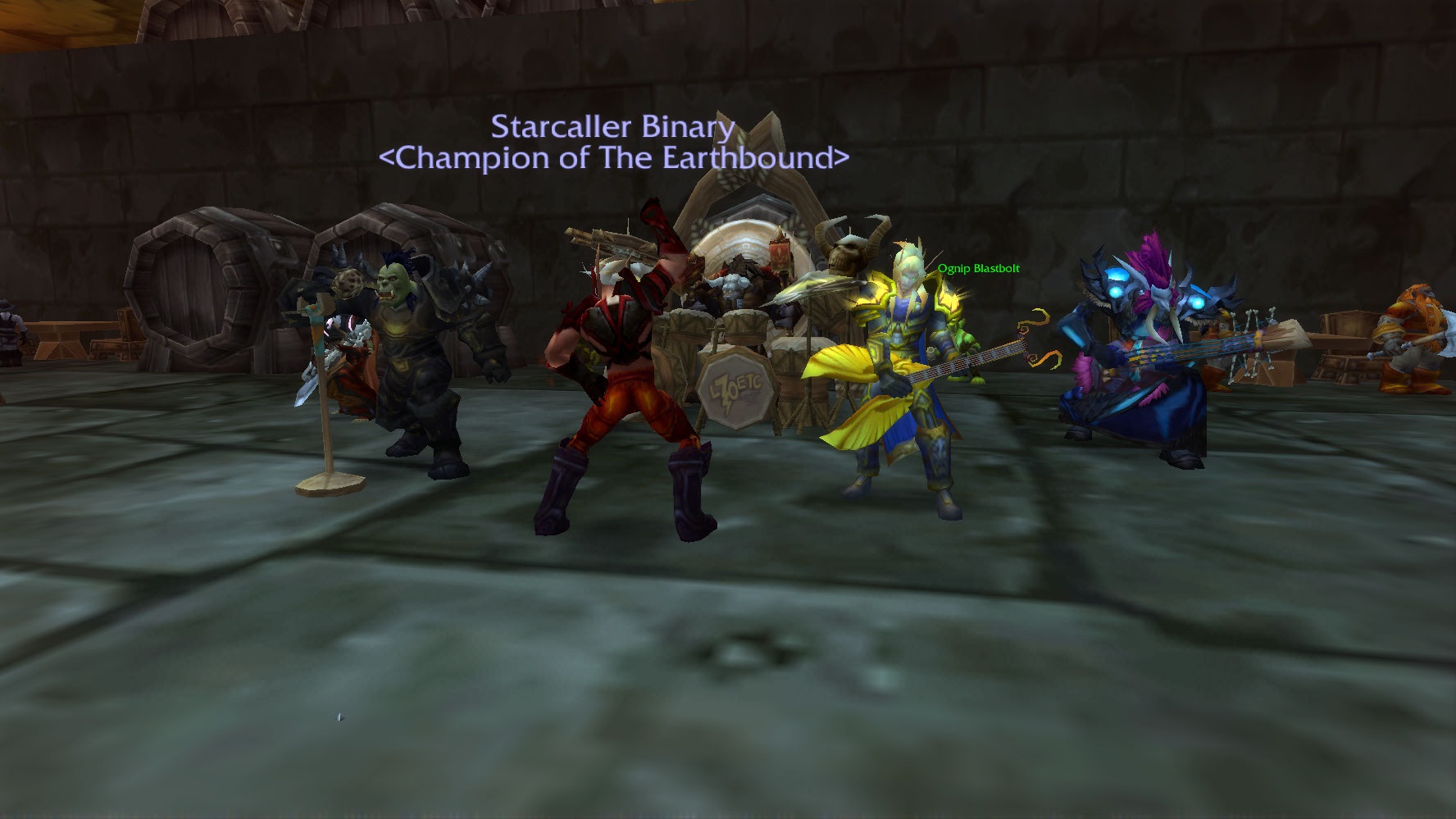
This is best QA.

This is best QA.

Maybe I’m entirely off-base. Blizzard is fairly close to the chest with its internal affairs. But, like I initially stated, I’ve worked in QA and I’ve seen, firsthand, a frustrating level of unprofessional behavior and goofing off from employees.

I like working in video game QA. It’s a constant challenge and the job makes me think. I do, however, lament it sometimes when I see stupid bugs that I know should not have made it past testing. I can only hope that one day we’ll see changes to the industry itself that create an entirely new QA system for video games – and maybe we’ll all see the benefits. Hell, maybe some of my friends will be the ones implementing them. I think the effects would be profound for the video game industry.
Share this:

  • Share
  • Click to email a link to a friend (Opens in new window) Email
  • Click to print (Opens in new window) Print
  • Click to share on Facebook (Opens in new window) Facebook
  • Click to share on X (Opens in new window) X
  • Click to share on Tumblr (Opens in new window) Tumblr
  • Click to share on Reddit (Opens in new window) Reddit
Like Loading...

Why Xmog Made a Blood Elf Out of Me

26 Wednesday Sep 2012

Posted by abc in Game Psychology, Gameplay, World of Warcraft

≈ Leave a comment

This post got me thinking: http://wow.joystiq.com/2012/09/26/mists-of-pandaria-and-character-aesthetic

Aesthetic plays a huge factor in what I play. My priest, who has become my main, was originally rolled as a Foresaken with a pal as a one-off silly try at a roleplay realm. He stopped playing and I ended up transferring to another realm to try out a guild and discovered I liked healing – and being undead. There were constant jokes since there aren’t many undead chicks, a lot of my friends recognized Kaliy (and her distinct purple pigtails) on sight and the lore is great. Even before the Cata revamp, the undead zones and story associated with the race are great – gothic, gloomy, and atmospheric. The race is identifiable and engaging, with their tragic roots and motivations of vengeance and loss, while still being twisted and magical enough to be something more than stock fantasy. If you spend any time questing in those zones, you quickly find yourself being sucked in to the story. I remember feeling a (quickly repressed) sense of gleeful, twisted pride at the Wrathgate event, despite the horror I was supposed to feel. Hell yeah, power to the Foresaken! >_> Shh, don’t judge me.

Then transmog came out and I fell in love with actually getting to LIKE what I was wearing. Unfortunately, being undead meant that I was doomed to dresses because of those ugly, exposed leg bones and how pants turn into ragged cutoffs when Foresaken wear them. Silly or not, that made me bummed out. I craved variety and splendor in my outfits. I wanted glamour and glitz. I wanted freaking chainmail bikinis, damnit (I mean, ffs, I explicitly specified that my barbarian in D&D wears one, even though that’s a freaking pen and paper game).

Image

I resisted racechanging for a long time; I told myself I was hanging on for the PvP racials, but there was a bit of nostalgia at work, too – I am no longer in the guild that I levelled and first played Kaliy in, so there were a lot of fun memories linked to her. My belf paladin’s sexy tank outfits finally convinced me to race change to blood elf and I’m happy now. I swear. I’ve gone on transmog binges and my bank is crammed full of gear I want to play with…plus arcane torrent is actually quite nice for raiding. Still, every now and then, like when I stumble across a Foresaken NPC or do a quest like with Loremaster Cho where my character’s “roots” are discussed, I wonder if I made the right choice. Am I really a blood elf at heart? Do I even care about the Sunwell and all that jazz? This doubt lasts about as long as it takes me to open my character pane and remember – I’m here for the mageweave pants.

But, everyone has their own motivations. To some, pulling the highest numbers is their bread and butter, and they could happily play as an amorphous blob. To others, visuals are the most important – afterall, this is a graphical game, so why settle for something you don’t like the sight of? Others go for the story and could never pick a race like Orcs or Foresaken because of the backstory and crimes associated with that race. To some, it’s something that might appear relatively trivial, like the voice acting for that race, but which can prove to be a big factor after months or years of playing (after only a few weeks of playing GW2, I now know how tiring character sound-bites can become). What about you? What determines your character selection?

Share this:

  • Share
  • Click to email a link to a friend (Opens in new window) Email
  • Click to print (Opens in new window) Print
  • Click to share on Facebook (Opens in new window) Facebook
  • Click to share on X (Opens in new window) X
  • Click to share on Tumblr (Opens in new window) Tumblr
  • Click to share on Reddit (Opens in new window) Reddit
Like Loading...

Genderplay

16 Monday Jul 2012

Posted by abc in Game Psychology, Gender

≈ Leave a comment

How does your gender factor into the role you play?

Anyone who’s played an MMORPG knows how it goes. The “tank” is a dude. The “healer” is a chick. It doesn’t matter what gender the toons, or even the characters behind them, are. That’s the stereotype most players start with and it’s clear the real world perceptions of gender roles bleed into what people automatically assume in gaming.

 Studies have been done to investigate what motivates male gamers versus female gamers. One of the most common results found is that women prefer socialization and communal achievements, while men aim for competition and direct victory over opponents. Beyond that, evidence suggests that females will actually lose interest in games that lack interaction or engagement beyond just the gameplay and mechanics.

I am not sure if this counts as significant engagement.

I am not sure if this counts as significant engagement.

Perhaps this is why the “nurturer” roles like healers are often assumed to be feminine roles, while PvP is considered a male domain. In fact, in a study done of Everquest 2 players, levels of aggression showed a distinct impact from who gamers played with: men actually demonstrated more aggression, and females less, when they gamed with significant others.

However, unlike MMOs, MUDs are far more encompassing of what one’s “role” means and is defined by. PvP and PvE are not isolated scenarios divorced from the rest of the game itself, but are intrinsically intertwined with core gameplay. In Iron Realm Entertainment’s Lusternia, for example, you might hunt creatures or quest to increase your city’s power levels, or jump in and help fight at a revolt to increase your commune’s influence in the world. Under IRE Aetolia’s new ylem system, cities group up for team combat every few hours to secure precious resources for their factions, and in IRE Achaea you may find yourself called upon to defend your house’s icon from attack.

Each of these situations listed yield all types of participants as the effects from victory are tangible rewards for both the individuals and the characters’ organizations. Combat and PvE participation is both about competition AND socialization. A player can fight for the sake of fighting and aim to crush their opponents…but they are just as likely to be driven to join in out of a desire to help make their organizations stronger.

Literally, a 2-dimensional female role...

Literally, a 2-dimensional female role…

But MUDs are not just about PvP and PvE. They are complex, with many other facets to the roles available. Players can design and craft clothing, jewelry and even alcoholic beverages, run shops as merchants, be a priest for an all-powerful god, or deftly manipulate political alliances as a government official. You’ll find intrepid economists, shadowy spies, philosophers, scientists, artists… because the mechanics of MUDs tie all of these elements – roleplay, combat, PvE, PvP, politics, economy – together to weave who a character is.

However, even with this depth to character that MUDs offer, do gender roles still echo through? In Aetolia, for example, there is a guild called the Druids which is focused on a defensive, supporting role, with the ideals based around protecting nature and communicating with plantlife. Membership in this guild has shown a far larger proportion of female characters than male, with all of the current leadership being women. Is this the mud equivalent of an MMO’s “healer” role?

So, what do you think? Have MUDs found a magical balance in incentive and motivation, making things appealing to both genders, a goal MMORPGs are still struggling to reach? Or are things still largely defined around real world gender roles? Are new MMOs on the market able to give such a diverse spread of salient roles; Archaeage, for example, is quite appealing to me, as it is giving players a lot of freedom in the politics.  Personally, I think MMOs will always see an influx of female players in healer roles as long as the HEALER ROLE itself exists as a concept. Once the games themselves branch out to give the kind of wider supporting gameplay that MUDs offer – where you can highly support your faction, without having to sign up for a special class in specific encounters to get that experience – I think we’ll see a blossoming of female play styles. Until then, yeah, stereotypes might continue, but I blame the games themselves for this.

Share this:

  • Share
  • Click to email a link to a friend (Opens in new window) Email
  • Click to print (Opens in new window) Print
  • Click to share on Facebook (Opens in new window) Facebook
  • Click to share on X (Opens in new window) X
  • Click to share on Tumblr (Opens in new window) Tumblr
  • Click to share on Reddit (Opens in new window) Reddit
Like Loading...

WoW Therapy

16 Monday Jul 2012

Posted by abc in Game Psychology, World of Warcraft

≈ Leave a comment

I am currently quitting smoking. So far, I’m on day 5 (6? They are starting to blur…I am combining wine with my other methods) without a cigarette. Freaking hell! That’s big. Straight up cold turkey and 5 days straight so far.

How I’ve managed the last day or two is…silly to say the least, though.

I’ve been running BGs in WoW.

Continue reading →

Share this:

  • Share
  • Click to email a link to a friend (Opens in new window) Email
  • Click to print (Opens in new window) Print
  • Click to share on Facebook (Opens in new window) Facebook
  • Click to share on X (Opens in new window) X
  • Click to share on Tumblr (Opens in new window) Tumblr
  • Click to share on Reddit (Opens in new window) Reddit
Like Loading...
Newer posts →

YAY! I WRITE STUFF!

A blog for random discoveries, musings, feedback and ideas about gaming, fantasy and life. And probably kittens. I love kittens.

Just type in your email and get it all in your inbox. SO EASY OMGYAY!

Join 21 other subscribers

RECENT POSTS!

  • Fodder October 3, 2025
  • Sleeping Body September 25, 2025
  • Revolution of Sound September 25, 2025
  • Microwave September 25, 2025
  • Eternal Teaparty September 25, 2025

ORGANIZATION AND WHATEVER!

TYPE IN WORDS HERE TO FIND THINGS!

VISIT THE PAST ARCHIVES! OOOOOOH MYSTERIOOOOUS TIMEY WIMEY STUFF!

PEOPLE SAYING THINGS IN COMMENTS!

Shanthi's avatarShanthi on Back to MoP
abc's avatarabc on Back to MoP
Unknown's avatarDisc Priesting for T… on Spirit shelling your way throu…
Shanthi's avatarShanthi on Back to MoP
Unknown's avatarSo I flipped 6500 ca… on Living steel

I AM LEARNING TWITTER! :D

Tweets by jjloraine

STUFF I LIKE TO READ!

  • Super Shock Gaming Zone
  • Ray Ferrer - Emotion on Canvas
  • Edge of Humanity Magazine
  • a little bit of everything all of the time
  • Crafts Thrill
  • What's Your Tag?
  • And fallen, fallen light renew
  • Reputation Grind
  • Superior Realities
  • The Warchief's Command Board
  • Under Construction
  • Be MOP

Blogroll

  • Admiring Azeroth Great screenshots and pet battle info.
  • Bakuenryu! Awesome series about leading a raid team
  • Be MoP A student’s look at the latest expansion
  • Doomed…ish Write-ups of my D&D fun.
  • Holy Word: Delicious Priesting stuffs
  • Info from Nightwill the Altaholic A great general info blog, with a focus on roleplay, lore and creativity.
  • Lair of the 4-eyed Monster D&D and art blog
  • MMO Melting Pot Summaries of the best MMO blog posts of each day!
  • Notes from a Burning House Personal Reflections and Flights of Fancy
  • Orcish Army Knife Great writing on general WoW, with awesome lore posts.
  • Psychochild A developer’s musings on game development and writing.
  • The Warchief's Command Board Thoughts and Musings from Garrosh Hellscream (HILARIOUS parody blog!)

Meta

  • Create account
  • Log in
  • Entries feed
  • Comments feed
  • WordPress.com

Blog at WordPress.com.

Super Shock Gaming Zone

Super Shock Bundle

Ray Ferrer - Emotion on Canvas

** OFFICIAL Site of Artist Ray Ferrer **

Edge of Humanity Magazine

An Independent Nondiscriminatory Platform With No Religious, Political, Financial, or Social Affiliations - FOUNDED 2014

a little bit of everything all of the time

Thoughts on stuff and things.

Crafts Thrill

What's Your Tag?

Video Games, Comics, and Shenanigans.

And fallen, fallen light renew

An ongoing fiction.

Reputation Grind

It doesn't end at exalted.

Superior Realities

The Warchief's Command Board

Under Construction

Be MOP

  • Subscribe Subscribed
    • a little bit of everything all of the time
    • Already have a WordPress.com account? Log in now.
    • a little bit of everything all of the time
    • Subscribe Subscribed
    • Sign up
    • Log in
    • Report this content
    • View site in Reader
    • Manage subscriptions
    • Collapse this bar
 

Loading Comments...
 

    %d