• About
  • My Games
  • My Stories

a little bit of everything all of the time

~ Thoughts on stuff and things.

a little bit of everything all of the time

Category Archives: Development

Game Fame

06 Tuesday Nov 2012

Posted by abc in Development, Game Psychology, Gameplay, Social, World of Warcraft

≈ Leave a comment

I was reading this thread on the WoW forums and it reminded me of an article I wrote for IRE a few months back. Rehashing it and adding a bit…

Anyone who’s played an MMO has a sense of the vast scale of the internet. Millions of players game online, with dozens of identical servers hosting similar iterations of the same world. Standing out in this vast community is nearly impossible – sure, there are a few famous players well known among the crowd of their particular game, but for the most part, the game world is a persistent place, rather untouched by those who live in it.

But that idea is shattered by MUDs. By their very design, MUDs are much smaller realms, and part of what makes them so appealing is the level of impact individual characters can have on the game world. In IRE games, for example, players lead houses, guilds and cities, with the process to learn class skills based entirely on interaction with other residents of the game. This makes for a very rich, player-driven system – people within the game, rather than game  mechanics, lay out the foundations for progression and this creates an intricate system of politics and interpersonal interactions.

To advance in your city or guild, you earn favors from the organization’s leaders and high ranking residents. Essentially every organization has set tasks you can complete, with additional perks and rewards often given for members who demonstrate that they are valuable and hard working. This setup makes for a vibrant, interactive world that draws people in – you aren’t just grinding away to get to some abstract level or earn x amount of coin; instead, you are also working to prove yourself to your organization’s leadership.

The concept unfolds in engaging ways: if you are a promising novice, it is quickly noticed. If you demonstrate aptitude for combat, you often find that you are recruited to assist with city- or guild-based conflicts. And the recognition extends both ways – those in power are known throughout the land. Guild or city leaders become household names, and their characters often find themselves in the spotlights of the land’s activity.

Beyond this, events are sometimes held where the land itself is changed….due to the result of player actions. For example, in Aetolia, a giant sea monster threatened the entire world. Not only was his emergence a result of a magical ritual cast by the Magi guild, his eventual defeat came about through the efforts of many players. In game lore, posts, scrolls and stories documented the roles various characters played in his defeat and many players have found that their characters are now part of the game’s canon mythology and ongoing story as a result of their participation in this event.

In short, to become known in a MUD is not only possible, it’s a rite of passage. The communities are smaller and more tight-knit, and players thrive on interactions. Individuals can make an impact on the world in impressive ways you rarely see in today’s MMO, be that for their leadership style, their roleplay of a certain race, or their frightening ability for combat. Fame is not only possible, it is, arguably, one of the reasons why we play our characters!

One oddly particular quirk of WoW players is looking back at “vanilla” (ie, the original) WoW with rose-tinted glasses, claiming it was better. I’m not going to get into that (very LONG) debate here, but I will bring up the idea of a server community. Vanilla WoW didn’t have the immense resources that we have today. There weren’t sites you could just google to find out about an elusive quest or the best DPS rotation. Upcoming content wasn’t datamined months before it became live. The developers themselves didn’t communicate with the players like they do now – changes were magical new things handed down by the Blizzardy gods. Sidestepping the idea of dev-player relations (which I’ll probably explore in another post), the end result is that things were just a heck of a lot more mystical and hand-wavingly mysterious….and that meant you had to rely on your fellow players a lot more to learn things and get stuff done.

Nowadays in WoW, we have automated battlegrounds and dungeons, and cross-server zone functionality, where zones will merge across servers if their current population is low. But back in vanilla, it was just you and your server, and you had to get out there and talk to people to form up groups. I absolutely agree that this antiquated system made people stand out. Every person I remember from my early WoW days was someone random I met via questing or grouping up to tackle content or even through PvPing.

But is that equivalent to the type of fame you can achieve in a MUD? I can login to a handful of MUDs right now and people I’ve never met – people who didn’t even start playing until after I quit – will send me whispers along the lines of, “Ooh, it’s you!” Granted, that sort of notoriety goes both ways (sometimes I get “*groan* It’s YOU.”), but the very fact that you can leave a legacy like that is a heady one. There is something about fame that is alluring. We are drawn to leave our mark.

In a way, I think MMOs will always have a bit of a standoffish feel to their immersion for me, until they find a way to incorporate this feeling: instead of just playing a game, I want to help shape what happens. WoW skimmed the surface of this type of gameplay with the gates of AQ event, where each server worked together to complete gruelling requirements and eventually unlock a new raid. However, the end result was the same, no matter what happened. The gates opened and, sure, a few people got special titles out of it, but it wasn’t really something the players themselves shaped. Imagine, instead, if the event had been open ended – players could choose how they respond to the crazy bug stuff. Propose a treaty, declare a war, hold a ritual, etc, all could have spun off in different directions.

Obviously the logistics of that won’t work in a huge game like WoW. There are just too many players and servers to allow for open-ended and evolving events. The closest we get is roleplay storylines on roleplay servers. However, games like the new MUD Lithmeria make me think that maybe some awesome-crazy-awesome integration of player-based direction could find its way into MMOs. In Lithmeria, for example, hardcoded mechanics exist to let players do things like found their own religions or complete unique, one-time quests. Clear mechanics for player contributions combined with random response generation keeps the process feeling organic, while not requiring constant admin oversight. It’s a rather elegant idea, and I’d love to see something like this translated to MMOs. Let the players do the creative work, with mechanics in place to both facilitate this process and channel it along certain avenues (such as city elections).

In any case, I’ve been rambling, so I’ll stop now.

So, how do you view it? Does your server have any standouts? Is your character renowned/hated/revered/loved? If you could be famous for anything in your game of choice, what would it be?
Share this:

  • Share
  • Email a link to a friend (Opens in new window) Email
  • Print (Opens in new window) Print
  • Share on Facebook (Opens in new window) Facebook
  • Share on X (Opens in new window) X
  • Share on Tumblr (Opens in new window) Tumblr
  • Share on Reddit (Opens in new window) Reddit
Like Loading...

QA Thoughts

06 Saturday Oct 2012

Posted by abc in Development, Game Psychology, QA, Uncategorized, World of Warcraft

≈ Leave a comment

I started out playing MUDs (text-based MMOs) and developed a knack for breaking games. I quickly became a go-to playtester, which I then transitioned into QA work with first SCEA/PlayStation and then third party work for Microsoft Game Studios.

Playing this expansion, and previous expansions, has been fun and exciting, but there is always a jarring sense of removal from the immersion or a frustrating barrier to gameplay when a bug, glitch or issue is encountered. This may be as trivial as a typo, and it may be as far reaching as the gyrocopter issue the Alliance faced at the launch of MoP. I am referring specifically to issues covered by the QA department, versus the design or balance teams.

This issue is hardly unique to WoW. I can’t play GW2 without encountering a crash every few hours due to a glitch involving instancing with parties. Hell, when I played MUDs, I once found a way to use the game’s mail system to physically mail myself to an admin. There are always bugs that go live. However, the QA department’s role is to ensure as few of these happen as possible. Beyond that, their job is also to ensure that the most LIKELY scenarios are all fully tested.

QA teams use a process called test casing to cover these most common potential circumstances. They can’t blindly, blithely and happily prance around the game just checking out what suits their fancy. Sure, in the early stages of a game’s development, most testing is exploratory, but, as it gets closer to release, testing is narrowed down to systematic examination of various elements. Test cases direct QA teams to rigorously check off functionality for a variety of conditions.

For a highly simplified example, a test case for Warsong Gulch might be broken down into various components such as joining the game, winning the game and losing the game. Test teams would then check the various conditions applicable to each category. Joining might include testing joining the game solo, with a party, with the game thumbed down, via random queue, via specific queue, etc. This structured testing ensures that all of the likely scenarios are fully tested for functionality before the game goes live, versus just assuming it will work in a party because it worked solo.

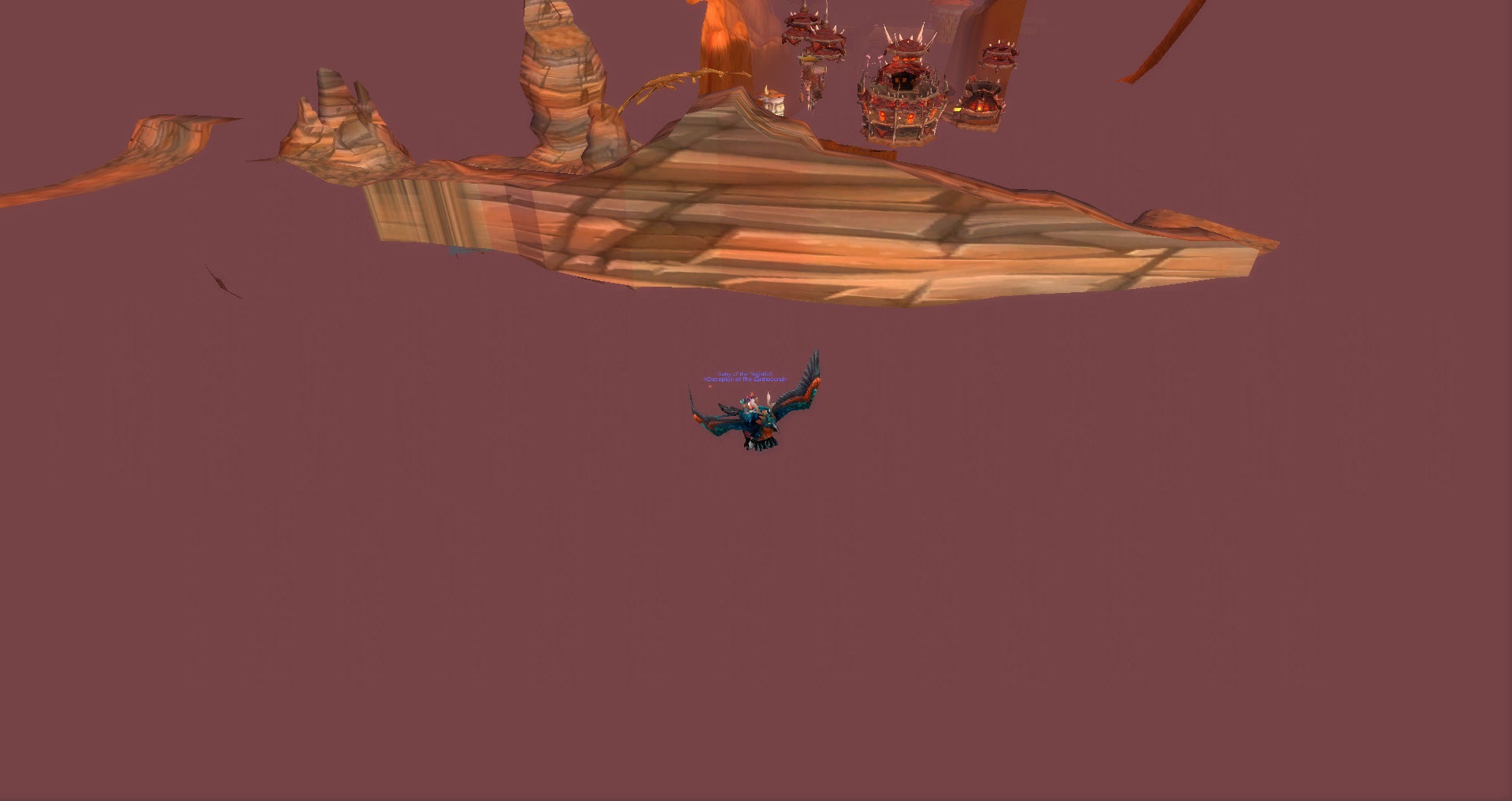
OH GOD WHERE DID THE WORLD GO

This is not good QA.

I explain all of this so I can make it very clear that video game QA is not a fun and games job. There is a lot of work involved, including time spent planning out the testing before the QA team even sees the game elements they will be working on. This is a serious career and talents beyond just “leet gaming” are required. A good tester should be meticulous, pay close attention to detail and be capable of looking outside the expected norms of gameplay.

Unfortunately, the video game industry suffers from its own history. What was once a cowboy industry started in basements is now one of the most profitable aspects of the entertainment industry; millions of dollars are spent on video games each quarter. Video games showed INCREASED revenue during the recession, while other aspects of entertainment suffered from a decline in sales.

The internal structure of the video game industry, however, does not seem to recognize its own success. Video game QA practices are outdated, following the same model initially developed out of need: toss a bunch of low paid “testers” at the product and hope their enthusiasm for the industry itself balances out all of the downsides inherent in the job. A decade ago, this practice was not only money-savvy, it was necessary. Video games were not a serious industry, so you had to hire what you could and scramble with the resources that gave you. This meant that, inevitably, you ended up with a crunchtime environment as “showstopper” bugs (ie, issues that made the game nigh unplayable) emerged only in the very latest stages of testing.

When you aren’t working with a highly experienced test corps, major issues can lurk undetected until late in the game, and then overtime is requisite to iron out these bugs, as the testers need to regress bugs, that is, test the issues again to see if the bugs have been fixed. Here is a good (if slightly outdated) blog explaining why this is inefficient (and fiscally wasteful):  http://romsteady.blogspot.com/2006/04/testing-hidden-costs-of-testing-at-end.html

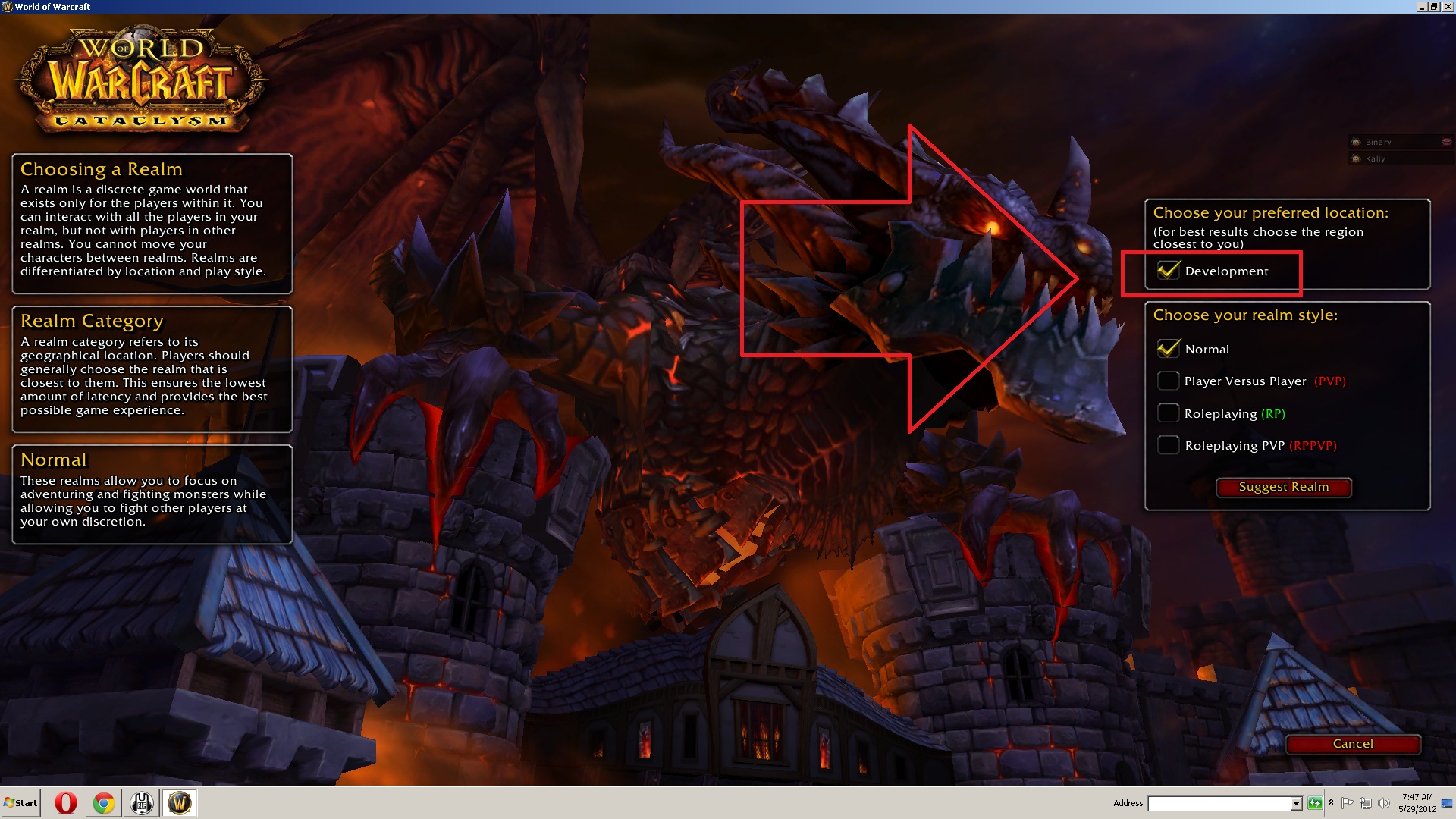
Tsk

This is also not good QA.

Having worked in QA, I know that it’s more than just inexperience that results in these kind of lurking issues. First, many QA departments pick up speed later in the test cycle and then have the bulk of their work staffed by entry level testers, versus retaining a smaller fulltime team of more experienced testers. Many companies claim it saves money (again, see the breakdown in the link above), but it really does seem to be a relic of the earlier days of the industry. Not only do you have to deal with the initial acclimation and training period, this sort of mass hiring (often through a staffing agency) picks up a…wide…caliber of applicants. But why should video game QA teams expect anything else? The industry’s focus on late-cycle testing means that unskilled hires are more desired because they are cheaper…and skilled testers end up migrating outwards to other QA fields. This also means that the workload demand for non-sustainment games (eg games like console games that don’t have ongoing development) fluctuates from a trickle to a flood – ie very little work (sup, unemployment) and then way too much for a small team to handle. In essence, there is very little career mobility in video game testing, and the initial hire process is inclusive enough, often due to to not distinguishing between stellar applicants and mediocre ones.

Here are some numbers to illustrate this (all income is done with location based in Los Angeles, as SoCal is a large gaming hub):

Salary.com:
Software QA lead $50k/yr
Video game QA lead: $15/hr (unsalaried)

Payscale.com (using 0 years experience, BS for both):
Entry level software QA tester: $47k/yr
Entry level video game tester: $31k/yr

This drastically lower pay for video game QA combines with the inevitable crunch time to make the job undesirable for workers on an actual career path. Why take constant overtime when you are getting older, perhaps starting a family – that is not ideal for a skilled tester who wants to maintain a career. Due to these factors, many solid, skilled testers eventually transition to straight software QA.

One of the biggest problems, however, is the job hiring process itself. The video game industry, while profitable beyond belief, still has a very silly stigma applied to it. When jobs – like tester jobs – are outsourced, the hires are often done by HR people who don’t really work in the industry, so they advertise the job as “cool” and “fun” rather than focusing on the skills you will develop. This will inevitably lead to a certain type of employee, and it’s not the one who is doing the best work. In my opinion, the best QA testers are the ones who are unfamiliar or don’t have a direct passion for the project – they won’t be sidetracked by just playing the game for fun or get caught up in how the game “should” be and fail to see the forest through the trees. True, the employees who are slacking off and just playing around may eventually get fired for not doing the job well, but think of the wasted time hiring/training/firing them takes, when it could have been avoided from the outset with proper recruitment.

So, to bring this post to a conclusion…

I’ve been on the test floor. For years. I know what goes on there. Sometimes it’s testing. I am not pretending to know the full extent of all the QA department’s hiring practices, but the Blizzard employment website does make it clear that testers are contract workers, so it’s implied it’s quite similar to other large video game test companies. I know PlayStation is the same.

In that case, the fact is, the amount of GOOD testing you get is miles away from what you COULD get. I’ve seen how test passes ACTUALLY go. Factor in everything: the low pay, the lack of career mobility, the poor recruitment, and here is the truth – testers lie. Especially low paid, recently hired, unskilled testers. I’ve seen an incredible amount of bugs in MoP and I doubt any of them are the fault of the QA leads. For example, if two teams reach max points in Silversong Mines at the same time (one through escort, one through capture), the battleground bugs out. Forever. People have been in matches that have lasted nearly 2 REAL LIFE days. This is a win condition that a test pass would have testers checking, no question – but, oh man, getting the timing right is so HARD, so you get them just passing it as functional.

This is best QA.

This is best QA.

Maybe I’m entirely off-base. Blizzard is fairly close to the chest with its internal affairs. But, like I initially stated, I’ve worked in QA and I’ve seen, firsthand, a frustrating level of unprofessional behavior and goofing off from employees.

I like working in video game QA. It’s a constant challenge and the job makes me think. I do, however, lament it sometimes when I see stupid bugs that I know should not have made it past testing. I can only hope that one day we’ll see changes to the industry itself that create an entirely new QA system for video games – and maybe we’ll all see the benefits. Hell, maybe some of my friends will be the ones implementing them. I think the effects would be profound for the video game industry.

Share this:

  • Share
  • Email a link to a friend (Opens in new window) Email
  • Print (Opens in new window) Print
  • Share on Facebook (Opens in new window) Facebook
  • Share on X (Opens in new window) X
  • Share on Tumblr (Opens in new window) Tumblr
  • Share on Reddit (Opens in new window) Reddit
Like Loading...

YAY! I WRITE STUFF!

A blog for random discoveries, musings, feedback and ideas about gaming, fantasy and life. And probably kittens. I love kittens.

Just type in your email and get it all in your inbox. SO EASY OMGYAY!

Join 21 other subscribers

RECENT POSTS!

  • Fodder October 3, 2025
  • Sleeping Body September 25, 2025
  • Revolution of Sound September 25, 2025
  • Microwave September 25, 2025
  • Eternal Teaparty September 25, 2025

ORGANIZATION AND WHATEVER!

TYPE IN WORDS HERE TO FIND THINGS!

VISIT THE PAST ARCHIVES! OOOOOOH MYSTERIOOOOUS TIMEY WIMEY STUFF!

PEOPLE SAYING THINGS IN COMMENTS!

Shanthi's avatarShanthi on Back to MoP
abc's avatarabc on Back to MoP
Unknown's avatarDisc Priesting for T… on Spirit shelling your way throu…
Shanthi's avatarShanthi on Back to MoP
Unknown's avatarSo I flipped 6500 ca… on Living steel

I AM LEARNING TWITTER! :D

Tweets by jjloraine

STUFF I LIKE TO READ!

  • Super Shock Gaming Zone
  • Ray Ferrer - Emotion on Canvas
  • Edge of Humanity Magazine
  • a little bit of everything all of the time
  • Crafts Thrill
  • What's Your Tag?
  • And fallen, fallen light renew
  • Reputation Grind
  • Superior Realities
  • The Warchief's Command Board
  • Under Construction
  • Be MOP

Blogroll

  • Admiring Azeroth Great screenshots and pet battle info.
  • Bakuenryu! Awesome series about leading a raid team
  • Be MoP A student’s look at the latest expansion
  • Doomed…ish Write-ups of my D&D fun.
  • Holy Word: Delicious Priesting stuffs
  • Info from Nightwill the Altaholic A great general info blog, with a focus on roleplay, lore and creativity.
  • Lair of the 4-eyed Monster D&D and art blog
  • MMO Melting Pot Summaries of the best MMO blog posts of each day!
  • Notes from a Burning House Personal Reflections and Flights of Fancy
  • Orcish Army Knife Great writing on general WoW, with awesome lore posts.
  • Psychochild A developer’s musings on game development and writing.
  • The Warchief's Command Board Thoughts and Musings from Garrosh Hellscream (HILARIOUS parody blog!)

Meta

  • Create account
  • Log in
  • Entries feed
  • Comments feed
  • WordPress.com

Blog at WordPress.com.

Super Shock Gaming Zone

Super Shock Bundle

Ray Ferrer - Emotion on Canvas

** OFFICIAL Site of Artist Ray Ferrer **

Edge of Humanity Magazine

An Independent Nondiscriminatory Platform With No Religious, Political, Financial, or Social Affiliations - FOUNDED 2014

a little bit of everything all of the time

Thoughts on stuff and things.

Crafts Thrill

What's Your Tag?

Video Games, Comics, and Shenanigans.

And fallen, fallen light renew

An ongoing fiction.

Reputation Grind

It doesn't end at exalted.

Superior Realities

The Warchief's Command Board

Under Construction

Be MOP

  • Subscribe Subscribed
    • a little bit of everything all of the time
    • Already have a WordPress.com account? Log in now.
    • a little bit of everything all of the time
    • Subscribe Subscribed
    • Sign up
    • Log in
    • Report this content
    • View site in Reader
    • Manage subscriptions
    • Collapse this bar
 

Loading Comments...
 

    %d